
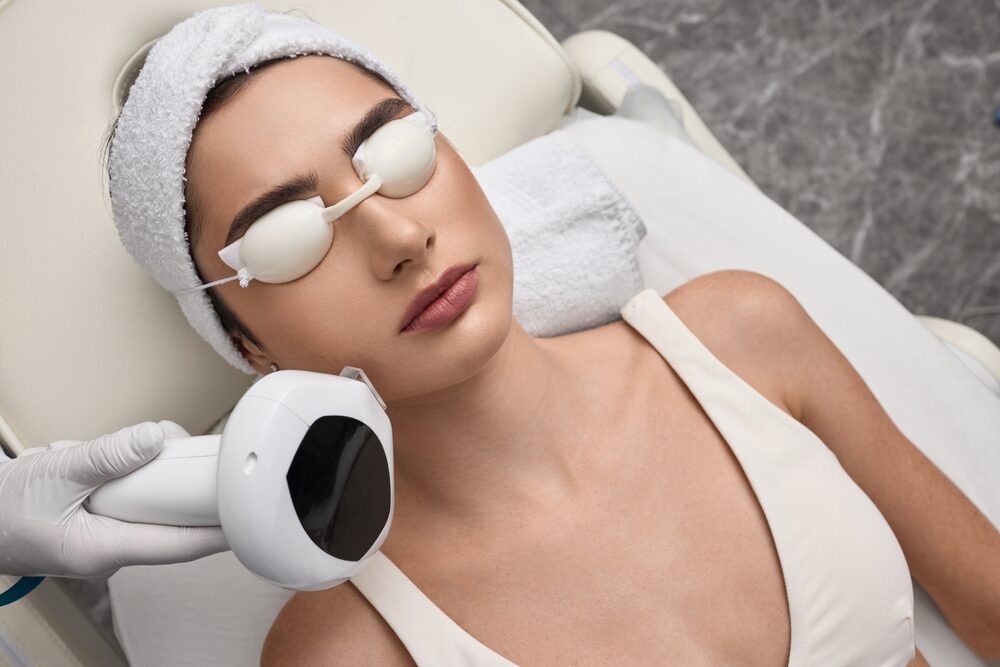

BBL and IPL are often presented as rival treatments, yet both deliver filtered broad-spectrum light rather than a single laser wavelength. BBL is Sciton’s proprietary BroadBand Light platform, while IPL (intense pulsed light) is the broader device category that spans dozens of manufacturers and hardware generations. For patients comparing options at Lysty Aesthetics & Wellness, the more useful question is which device, filter, and setting combination suits the pigment or vascular target sitting in their skin.
One quick clarification before going further: in skin and laser work, BBL refers to Broadband Light phototherapy, not the non-surgical Brazilian Butt Lift that shares the same three letters. This article covers the light-based facial treatment.
Both Technologies Are Phototherapy, Not Lasers
A laser emits one tightly defined wavelength, such as the 2940-nm Er: YAG used in TRL and ProFractional resurfacing or the 10,600-nm beam of an ablative CO2 device. BBL and IPL instead emit a band of wavelengths, and a cut-off filter is placed over the handpiece to narrow that band toward a chosen chromophore.
The two chromophores that matter most when considering treatments like Botox in Melville, NY are melanin, the pigment responsible for brown spots and freckles, and hemoglobin, the pigment inside the small vessels that create visible redness. Selecting a 515-nm filter versus a 560-nm or 590-nm filter changes which of those targets absorbs the most energy, which is why one platform can address very different complaints in the same appointment.
What Actually Separates Sciton BBL From Generic IPL
The label on the machine matters far less than the engineering behind it and the person holding the handpiece. Clinical outcomes track with a handful of practical variables:
- Filter range and precision, which determine how cleanly the delivered light matches the intended target
- Pulse structure, including how energy is divided across time to heat the target without overheating surrounding tissue
- Contact cooling, since a chilled sapphire plate protects the epidermis and improves comfort during treatment
- Calibration and output consistency, because older or poorly serviced systems drift from their stated settings
- Operator judgment, which covers skin type assessment, test spots, fluence selection, and recognizing when light therapy is the wrong tool entirely
Two patients receiving treatment on devices labeled IPL can therefore have very different experiences depending on which platform and protocol the provider uses. Asking what device, what filter, and what endpoint the provider is treating toward is a reasonable question at any consultation.
Brown Spots, Freckles and Sun Damage
Light-based phototherapy performs best when the dominant complaint is superficial photodamage: discrete brown spots on the cheeks and temples, freckling across the nose, and the mottled tone that accumulates after decades of boating, beach days, and commuting with sun hitting one side of the face. The light is absorbed by melanin; the treated spots typically darken and look like coffee grounds for several days, then flake away.
Pigment should always be assessed before it is treated. Any lesion with irregular borders, changing color or an unusual history belongs under a dermatologist’s dermatoscope first, because treating a suspicious lesion cosmetically can delay a diagnosis that matters. Cumulative ultraviolet exposure drives most of this pigment, and MedlinePlus notes that damage accrues across a lifetime of exposure rather than from a single burn.
Redness, Rosacea and Visible Capillaries
With a different filter selection, the same light targets hemoglobin and can reduce the appearance of diffuse facial redness along with selected superficial vessels around the nose and cheeks. Patients with rosacea frequently see their background flush soften, which is a meaningful cosmetic result
What phototherapy does not do is cure the condition. Rosacea is a chronic inflammatory disorder, and triggers such as heat, alcohol, spicy food, and sun exposure continue to provoke flares after treatment. Larger or deeper vessels, particularly on the nose or legs, often respond better to a vascular laser than to broadband light, which is a judgment call made at the consultation rather than over the phone.
When a Resurfacing Laser Is the Better Choice
Color problems and texture problems are different problems. If brown spots and redness dominate while the skin surface remains reasonably smooth, phototherapy addresses the color without wounding the surface. Once enlarged pores, etched fine lines, acne scarring or rough texture enter the picture, a fractional resurfacing device becomes the stronger candidate.
HALO is a hybrid fractional laser that pairs 1470-nm non-ablative energy with 2940-nm ablative Er: YAG columns, so it treats pigment and texture in the same pass. TRL and ProFractional use that same 2940-nm Er: YAG wavelength at different depths and coverage levels. Radiofrequency microneedling devices such as Morpheus8 belong in a separate category altogether, since they deliver RF energy through needles rather than light, and should not be described as lasers.
Candidacy, Tanning and Pigment Caution
Honest candidacy screening is the single biggest safety factor in broadband light treatment. The ideal candidate has untanned skin, clear photodamage or vascular concerns, realistic expectations, and no recent isotretinoin use. Treatment is usually deferred or redirected when any of the following apply:
- A recent tan or sunburn, since background melanin competes for the energy and raises the risk of blistering or uneven lightening
- Melasma, a hormonally influenced pigment disorder that heat and light can worsen in susceptible patients
- A history of post-inflammatory hyperpigmentation, common in deeper skin types and worth a conservative test spot
- Active infection in the treatment area, including a cold sore outbreak near the lips
- Pigmented lesions that have not been evaluated medically
Downtime, Treatment Numbers and Maintenance
Social downtime after a light treatment is modest compared with ablative resurfacing, though it is never accurate to promise none. Expect warmth similar to a mild sunburn for several hours, transient redness and swelling for a day or two, and darkening of treated brown spots that resolves over roughly five to ten days. Most patients return to work the next day and cover residual pink with mineral makeup.
Session counts depend on the indication rather than a fixed package. Sciton’s Forever Young BBL patient materials describe approximately one to three treatments for that photorejuvenation protocol, while corrective series for heavier sun damage or stubborn vascular concerns often run longer and are spaced three to four weeks apart. Maintenance sessions once or twice a year make sense because new photodamage keeps accumulating, and daily broad-spectrum sunscreen does more to protect results than any post-treatment serum.
Combining Light Therapy With Fractional Resurfacing
Phototherapy and resurfacing are complementary rather than competing in many treatment plans, and Sciton has specifically described combination BBL and HALO protocols. The logic is straightforward: broadband light handles vascular and superficial pigment targets, while the fractional laser remodels texture and stimulates collagen at depth. Sequencing, intensity and recovery planning are decided case by case, usually with the light pass performed first in the same visit or staged across separate appointments.
Frequently Asked Questions
Is BBL the Same Thing as IPL?
BBL is one brand of IPL, specifically Sciton’s BroadBand Light platform, so every BBL treatment is a form of intense pulsed light therapy, but not every IPL device is a BBL. The practical differences come down to filter precision, cooling, pulse control, and how the provider sets parameters for your skin type.
How Many Treatments Will I Need?
Most photorejuvenation plans involve one to three sessions, with corrective series for heavier sun damage sometimes running four or more, spaced three to four weeks apart. The number is individualized after an in-person skin assessment, since freckling across fair skin behaves differently than years of mottled pigment.
How Soon Can I Wear Makeup Again?
Mineral makeup is generally acceptable the next day once any swelling settles, though heat-generating activities such as hot yoga, saunas, and intense exercise are usually paused for 24 to 48 hours. Treated brown spots darken first and flake off during the following week, so plan social events accordingly.
Can Broadband Light Treat Melasma?
Melasma is treated cautiously or avoided with light-based devices because heat can trigger rebound pigmentation in a meaningful share of patients. Topical regimens, strict photoprotection and gentler modalities are typically explored first, with any light treatment approached conservatively and with test spots.
Can I Be Treated After a Summer on the South Shore?
Treatment is normally postponed for about four weeks after meaningful sun exposure or a tan, because active melanin in the epidermis absorbs energy meant for the target. Fall and winter scheduling is the practical reason many patients book these treatments between October and March.
Schedule a Skin Assessment Today
Deciding between phototherapy and fractional resurfacing starts with looking closely at your pigment, vessels, and texture rather than guessing from a treatment menu. The team at Lysty Aesthetics & Wellness, will assess your skin, explain which device matches your concern, and outline realistic timing. Contact our team to get started.